
Michigan is a state well-known for its scenic winters, with snow-covered landscapes that look beautiful from your window and create the perfect setting for winter activities. However, the heavy snowfall that blankets Michigan every year brings with it a challenge for every driver: road salt. While road salt is crucial for public safety, keeping streets and highways free from ice and reducing the risk of accidents, it poses a significant threat to your vehicle. Understanding how road salt impacts your car and taking proactive steps to mitigate its effects is essential for anyone who wants to protect their investment and avoid costly repairs.
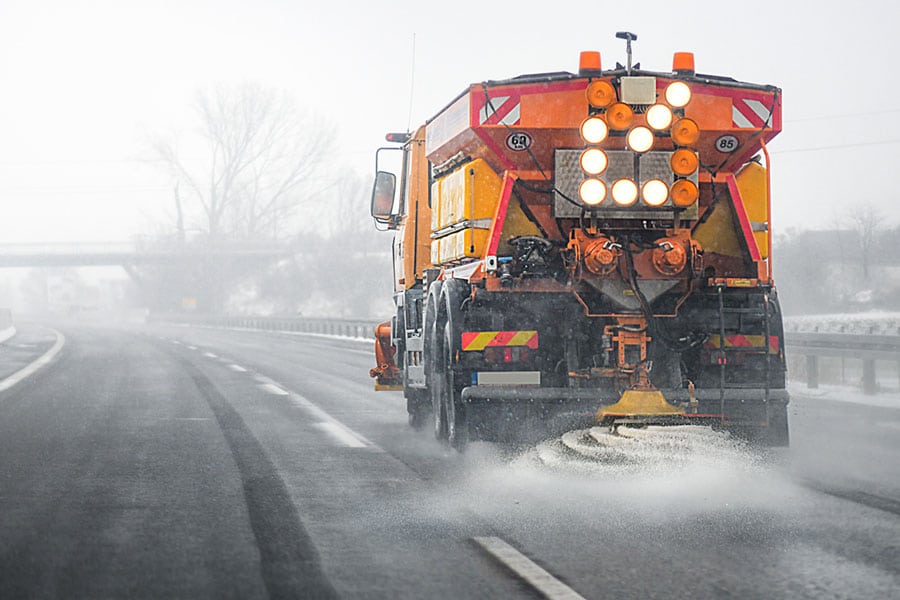
When snow and ice begin to accumulate on Michigan’s roads, city and county maintenance crews respond by spreading a mixture of salt and sometimes sand. This salt lowers the freezing point of water, helping to melt ice quickly and making roads safer for travel. Unfortunately, the same salt that keeps drivers safe is highly corrosive. It doesn’t simply wash away when the snow melts; in fact, it tends to linger, sticking to every surface it touches and wreaking havoc on your vehicle.
The most vulnerable parts of your car are the undercarriage, wheel wells, and lower body panels. These areas are constantly exposed to salt-laden slush kicked up from the road as you drive. Salt can quickly penetrate tiny cracks and crevices, where moisture gets trapped, creating the perfect environment for rust. Once rust begins to form, it spreads aggressively, eating away at metal components such as brake lines, suspension parts, exhaust systems, and the vehicle’s frame. This corrosion isn’t just cosmetic; it can compromise the safety and structural integrity of your car, leading to expensive repairs or even a need for replacement parts.
Beware Of the First Signs of Salt Damage to Your Car or Fleet Vehicle
You might notice the first signs of salt damage as bubbling paint, discoloration, or flaking metal. Many drivers don’t realize the seriousness of these symptoms, but ignoring them allows rust to grow unchecked beneath the surface. In Michigan, where winter can last several months, and salt is applied liberally after every storm, the risk is especially high. Older vehicles or those driven daily are most at risk, but even newer cars can suffer if not properly protected.
At Drip Car Wash, we see firsthand the damage road salt does to Michigan vehicles every year. That’s why we’ve developed specialized undercarriage cleaning services designed to tackle the problem head-on. Our high-pressure rinse cycles are engineered to reach every nook and cranny beneath your vehicle, flushing out salt, grime, and moisture that ordinary home washing can’t touch. It’s not enough to simply spray water underneath your car; you need professional tools and expertise to ensure thorough removal.
Our process starts with an inspection of the vehicle’s most vulnerable areas. We look for signs of salt buildup, rust, and other winter-related damage. Once identified, our technicians use targeted high-pressure jets to dislodge salt and debris, followed by eco-friendly soaps that neutralize the corrosive effects. These soaps are specially formulated to be tough on salt but gentle on your vehicle’s finishes. After cleaning, we apply protective wax coatings that act as a barrier, shielding your paint and metal from future salt exposure. This step is critical because it prevents salt from sticking in the first place and makes subsequent washes more effective.
Here’s Why Regular Vehicle Washing Is Crucial During the Winter Months
Regular washing during the winter months is not just about keeping your car looking good; it’s an essential maintenance step that protects your investment. Many people think washing their car is pointless in winter, since it will just get dirty again. However, the real danger is letting salt sit and accumulate. The longer salt remains on your vehicle, the more damage it can do. At Drip Car Wash, we recommend washing your car at least every 10 days when salt is present on the roads, and even more frequently if you drive long distances or on rural routes where salt use is heavier.
It’s also important to pay attention to the weather. After a big storm or a thaw, salt is at its peak. Washing your car right after these events can make a huge difference. If you notice white streaks or powder on your vehicle, it’s likely salt residue and should be removed as soon as possible. Our team is always available to advise customers on the best washing schedule and products for their specific needs.
Beyond undercarriage cleaning and protective coatings, Drip Car Wash offers additional services for Michigan drivers dealing with salt damage. Detailing packages include deep cleaning of wheel wells, brake calipers, and trim, areas often overlooked but critical for preventing corrosion. We also inspect for early signs of rust and provide guidance on repairs or touch-ups if needed.
Rust Damage Can Ruin More Than Your Vehicle’s Finish or Paint Job
Taking these steps is not only about aesthetics but also about safety and value. Rusted brake lines, for instance, can lead to brake failure, while corroded electrical components can cause malfunctions in your vehicle’s systems. Keeping your car clean and protected means you’re less likely to face unexpected breakdowns or expensive repairs. It also preserves your vehicle’s resale value, as buyers in Michigan are especially cautious about salt damage.
Many Michigan drivers are surprised by how much of a difference regular professional washing makes. At Drip Car Wash, we take pride in helping customers extend the life of their vehicles and avoid the headaches that come with neglected winter maintenance. Our eco-friendly approach ensures that you’re not only caring for your car but also minimizing your environmental impact.
As winter settles in and the roads turn white, remember that road salt is a hidden threat. Make undercarriage cleaning, protective waxing, and routine washes a priority. Visit Drip Car Wash for expert care, and let our team help keep your vehicle safe, reliable, and looking its best through Michigan’s toughest months. Your car and your wallet will thank you for it.